
Choose the right level
Find your perfect
starting point and unlock the
★
most effective learning
★
experience tailored to your
goals.
Choose the right level
Find your perfect
starting point and unlock the
★
most effective learning
★
experience tailored to your
goals.

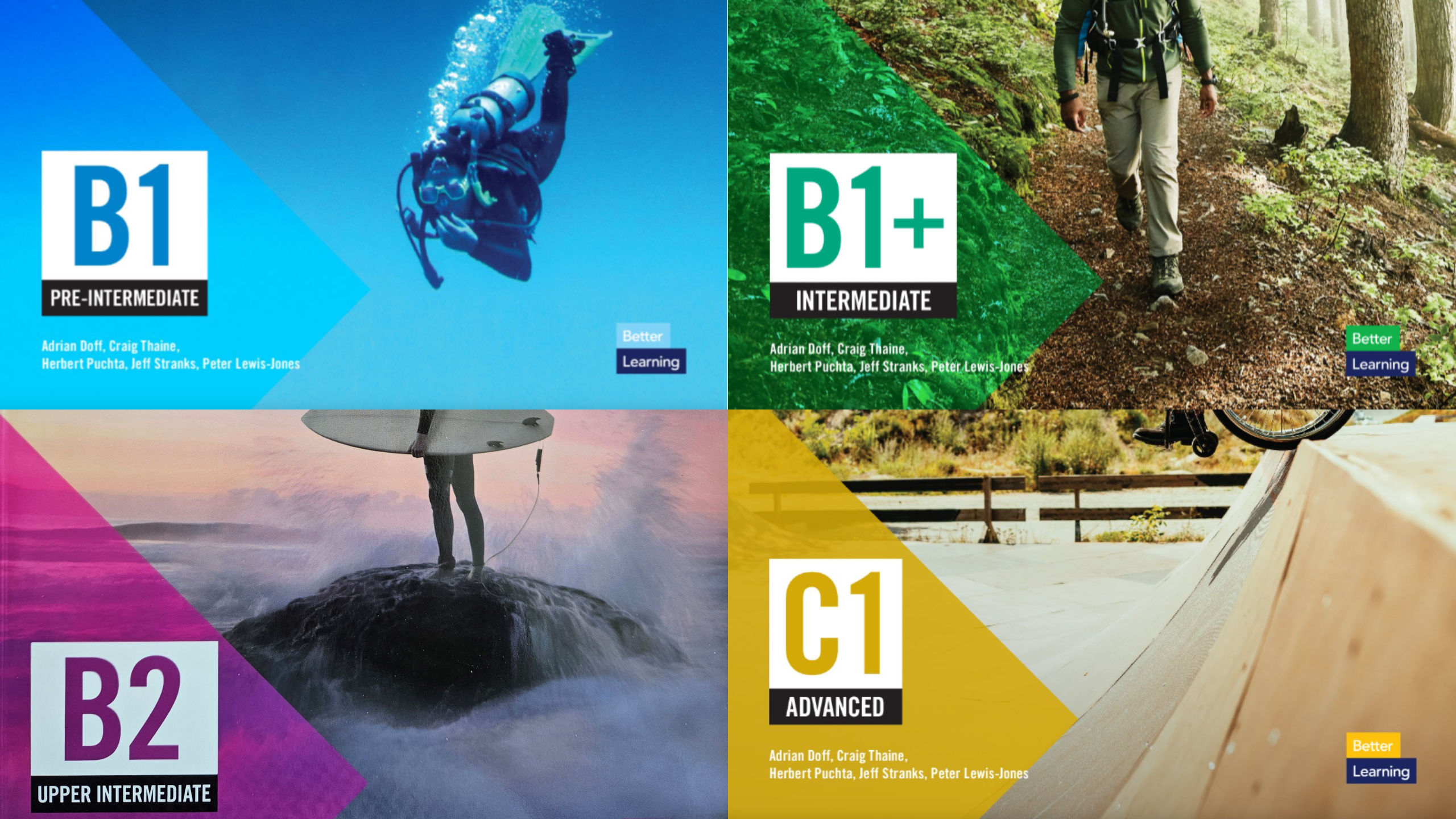
Cambridge EMPOWER Online English
Courses for Adults (A1 to C1)
Cambridge EMPOWER Online English
Courses for Adults (A1 to C1)
Start or advance your English skills with flexible online classes,
expert teachers, and official Cambridge certification.
Whether you’re just beginning or preparing for advanced study, work, or migration, our Cambridge EMPOWER courses are
designed for adult learners who want real progress and recognized results.
Start or advance your English skills with flexible online classes,
expert teachers, and official Cambridge certification.
Whether you’re just beginning or preparing for advanced study, work, or migration, our Cambridge EMPOWER courses are
designed for adult learners who want real progress and recognized results.
Why Study with Virtual English?

100% online English courses for adults,
available worldwide.
Learn with Cambridge-qualified teachers in
small, interactive Zoom classes.
Choose one-time payment or affordable
monthly instalments.
Earn an official Cambridge EMPOWER
certificate to support study, work, or migration.
Flexible. Certified. Trusted by adult
learners around the world.
Virtual English offers Cambridge-aligned English courses (CEFR A1–C1) developed using the Cambridge EMPOWER curriculum.
Linguaskill testing is delivered via TestEd (NextEd Group). Virtual English is an Australian-based online education provider.
All Cambridge and CEFR references relate to course alignment and preparation only.
Cambridge Assessment English does not deliver or assess these courses.
Enrolment is confirmed upon course intake. Payments are SSL protected.


Ready to start your journey to
confident English?
Join the Waitlist →
© 2026 Virtual English Holdings Pty Ltd All rights reserved.
Blogs

Online English Courses for Adult Learners | Start with Confidence
Building Everyday English Skills for Work and Daily Life
Learning English as an adult is rarely about passing a test or memorising grammar rules. For most adult learners, the real goal is much simpler — and much more important: to use English confidently in everyday situations, especially at work and in daily life.
You might understand English in a classroom or online lesson but still struggle when you need to speak to a colleague, write a work email, make a phone call, or handle everyday tasks like appointments, shopping, or services. If that sounds familiar, you’re not alone.
This guide explains what everyday English skills really are, why they matter so much for adult learners, and how structured online English courses can help you build practical, real-world English you can actually use.
What Are Everyday English Skills?
Everyday English skills are the practical language skills you use in real situations — not just in lessons or textbooks.
They include the ability to:
Speak clearly and confidently in common situations
Understand spoken English at a natural speed
Read and respond to everyday texts and messages
Write simple, effective English for work and daily communication
Unlike academic English, everyday English focuses on function and communication, not perfection.
Why Everyday English Matters for Work and Daily Life
For adult learners, English is usually connected to real responsibilities, jobs, families, migration, study, or professional growth. When everyday English skills are weak, even small tasks can feel stressful.
Common challenges include:
Hesitating or freezing when speaking at work
Avoiding conversations because of fear of mistakes
Struggling with emails, messages, or instructions
Feeling confident in class but not outside it
Strong everyday English skills help you:
Communicate clearly at work
Participate in conversations with confidence
Handle daily tasks independently
Feel more comfortable living and working in English
Everyday English Skills for the Workplace
Speaking English at Work
Workplace English doesn’t need to be complex — it needs to be clear and appropriate.
Everyday speaking skills at work include:
Introducing yourself and your role
Asking and answering questions
Clarifying instructions
Participating in meetings or informal discussions
Making small talk with colleagues
Many adult learners worry about accents or grammar. In reality, clarity and confidence matter more than sounding “perfect.”
Listening Skills in the Workplace
Listening is often harder than speaking because English is spoken quickly and informally at work.
Everyday listening skills include:
Understanding different accents
Following instructions
Picking up key information in meetings
Understanding tone and intent
Structured listening practice helps adult learners develop strategies like listening for keywords instead of understanding every word.
Reading English for Work
Workplace reading is practical and task-based.
Examples include:
Emails and messages
Instructions or procedures
Schedules and rosters
Notices and announcements
Everyday English reading focuses on understanding meaning, not analysing language.
Writing English for Work Communication
Writing at work is usually short and functional.
Everyday writing skills include:
Writing clear emails
Responding to messages
Filling out forms
Writing short reports or updates
Learning simple sentence structures and useful phrases is far more effective than advanced grammar for most adult learners.
Everyday English for Daily Life
Beyond work, everyday English is essential for independence and confidence.
Speaking in Daily Situations
Daily speaking skills include:
Making appointments
Talking to service providers
Asking for help or information
Social conversations
These situations often cause anxiety because they are unpredictable. Practising common scenarios builds confidence over time.
Listening in Real-World Situations
Listening outside the classroom can feel overwhelming.
Everyday listening includes:
Understanding announcements
Listening on the phone
Following conversations in public places
Developing listening confidence takes time, repetition, and exposure to natural English.
Reading and Writing for Daily Tasks
Everyday reading and writing may include:
Text messages
Emails
Notices and signs
Forms and applications
Functional English skills allow learners to manage daily life without relying on others.
Why Many Adult Learners Struggle to Use English in Real Life
One of the most common frustrations adult learners experience is this:
“I understand English in class, but I can’t use it in real life.”
This happens for several reasons:
Lessons focus too much on theory and not enough on real situations
Learners don’t practise speaking enough
Learning isn’t connected to daily needs
Confidence is not built gradually
Without structured, practical practice, English remains passive knowledge instead of an active skill.
The Importance of Structured English Learning for Adults
Adult learners need structure, clarity, and purpose.
A structured English course helps learners:
Understand what to learn and why
Build skills step by step
Track progress clearly
Develop confidence over time
This is especially important for learners balancing work, family, and other responsibilities.
How CEFR-Aligned English Courses Support Everyday English Skills
CEFR-aligned courses (fromA1 to C1) provide a clear framework for building everyday English skills.
Each level focuses on:
What learners can realistically do in English
Real-world communication tasks
Gradual progression in speaking, listening, reading, and writing
For example:
A1–A2: Basic everyday communication and survival English
B1–B2: Workplace communication, discussions, and independent use
C1: Professional fluency and confident communication
This structure helps learners see progress and stay motivated.
Learning Everyday English Online as an Adult
Online English learning offers flexibility — but only when done properly.
Effective online English courses for adults:
Are structured and guided
Focus on practical language
Include speaking and listening practice
Support different learning speeds
Self-study alone is rarely enough. Adult learners benefit most from guided online programs that combine structure with flexibility.
Building Confidence Alongside Language Skills
Confidence is just as important as vocabulary or grammar.
Everyday English confidence develops when learners:
Practise regularly
Make mistakes in a safe environment
See real progress
Use English in meaningful ways
A supportive learning environment encourages learners to speak more, try more, and improve faster.
How Virtual English Supports Everyday English Skills
At Virtual English, we specialise in structured, adult-focused online English courses designed to support everyday English skills for work and daily life.
Our Cambridge-aligned programs:
Follow CEFR levels from A1 to C1
Focus on real-world communication
Support adult learners with clear structure
Help learners build confidence step by step
Whether you are learning English for work, migration, or personal development, our courses are designed to help you use English, not just study it.
Choosing the Right English Course for Your Needs
Not all English courses are the same.
When choosing a course, adult learners should look for:
Clear level alignment (A1–C1)
Practical communication focus
Structured lessons and support
Adult-appropriate content
The right course should make every day English feel manageable and achievable.
Getting Started with Everyday English Learning
Improving everyday English skills doesn’t happen overnight, but it does happen with the right support.
Start by:
Identifying your current English level
Focusing on real-world situations you face daily
Choosing a structured, adult-focused course
Practising consistently, not perfectly
Small, regular improvements lead to lasting confidence.
Final Thoughts: Everyday English Is About Real Life
Everyday English skills are not about sounding perfect. They are about communicating effectively, feeling confident, and participating fully in work and daily life.
With the right structure, support, and practice, adult learners can build English skills that truly make a difference.
Ready to Build Your Everyday English Skills?
If you’re new to English or returning after a break, the best first step is understanding where you are and what you need next.
👉Book your FREE 15-minute consultation and get personalised advice on building everyday English skills for work and daily life.
Explore our Cambridge-aligned online English courses (A1–C1) designed specifically for adult learners.
FAQs
What are everyday English skills?
Everyday English skills are the practical speaking, listening, reading, and writing skills you use in real-life situations. This includes workplace conversations, emails, phone calls, appointments, shopping, and daily interactions. These skills focus on clear communication rather than perfect grammar.
Why are everyday English skills important for work?
Everyday English skills help adults communicate confidently at work. They allow you to understand instructions, participate in meetings, write professional emails, and interact effectively with colleagues and supervisors. Strong everyday English can improve confidence and workplace performance.
Can adults really improve everyday English skills online?
Yes. Adults can successfully improve everyday English skills through structured, guided online English courses. The key is choosing a course designed for adult learners that focuses on real-world communication and practical language use, not just theory.
What English level do I need for everyday communication?
Everyday English communication begins at beginner levels (A1–A2) and continues to develop through intermediate and advanced levels (B1–C1). Each level builds greater independence, confidence, and ability to communicate in work and daily life situations.
How long does it take to improve everyday English skills?
Progress depends on consistency, practice, and the level of support provided. Many adult learners notice improved confidence and communication skills within a few months when learning regularly in a structured English program.
Is everyday English different from academic English?
Yes. Everyday English focuses on practical communication for real situations, while academic English is often used for study, exams, or formal writing. Most adult learners benefit from prioritising everyday English first.